
Why Cultivation in Containers ?
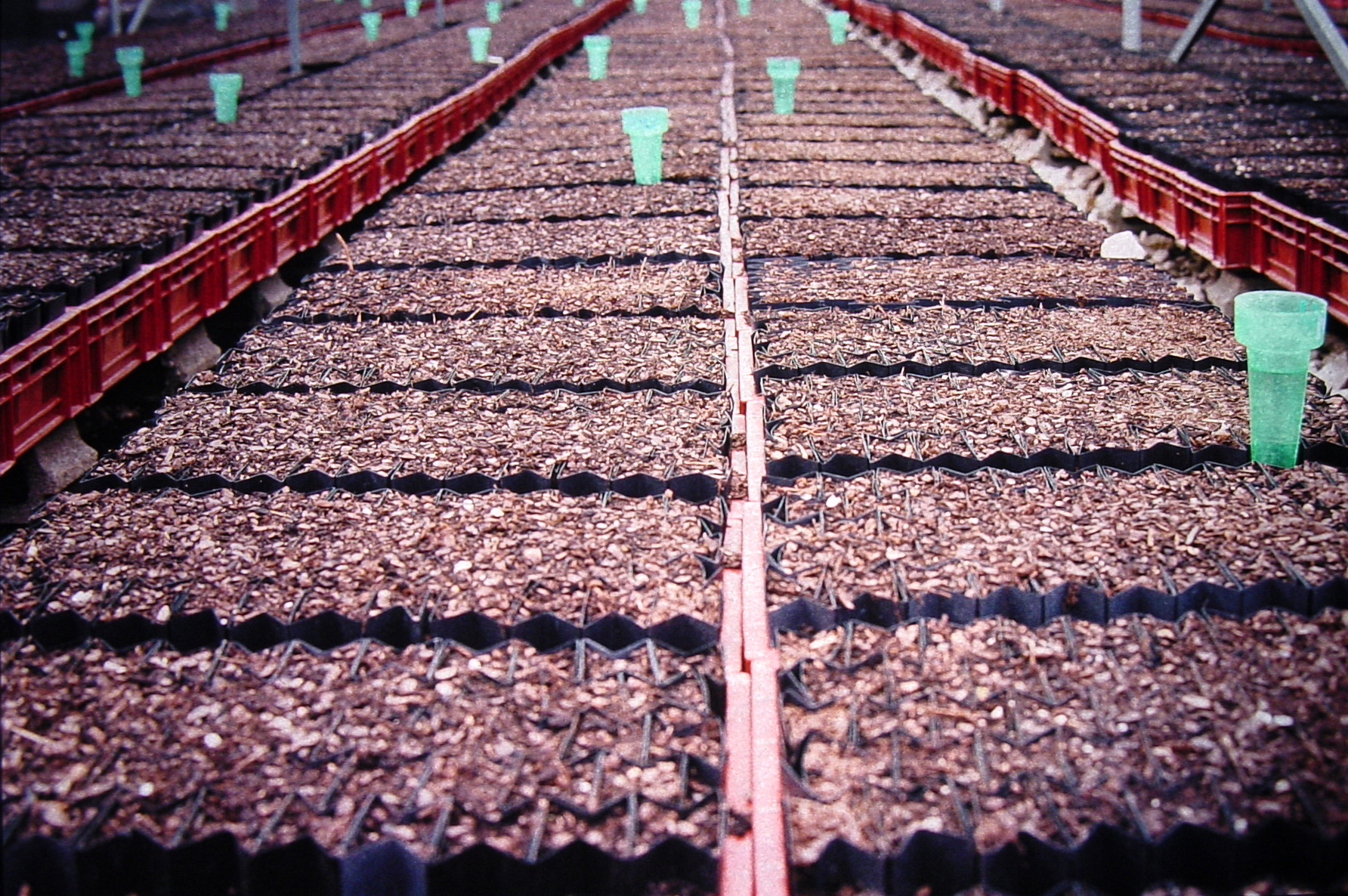
- Plantations are ready within 1 year instead of 3 or 4 years
- Better adaptation of production to demand
- Transplantation is possible almost all year long
- Cultivation is possible under plastic tunnels or greenhouses
- Better control of environment, and specially mycorhization
- Mechanization possibilities are available
What are Risks Involved by Conventional Containers or Polyethylene Bags ?
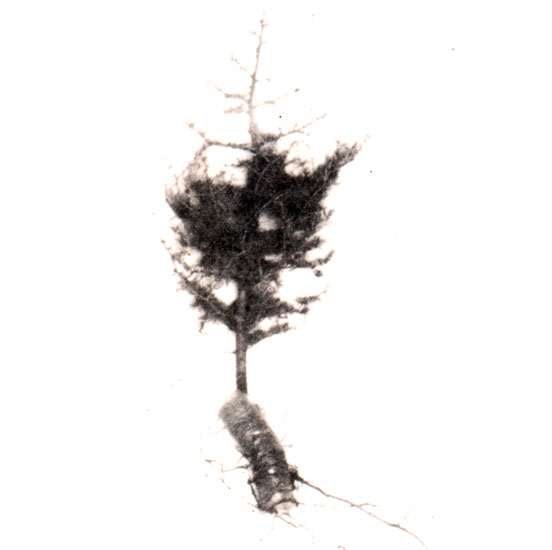
The Formation of Buns
The development of a root knot : side-roots turn around the pivot that curves. This is called a « root knot » or « root twist ».
Example : cedar tree planted with its polyethylene bag in a forest : roots tend to wind and form a knot
after planting
Roots cannot properly go through their clod and prospect ground.
Example : current plantation in a stony ground : bad rooting.
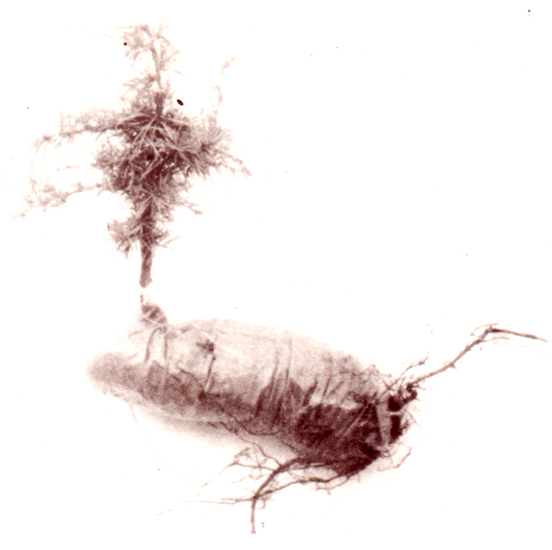
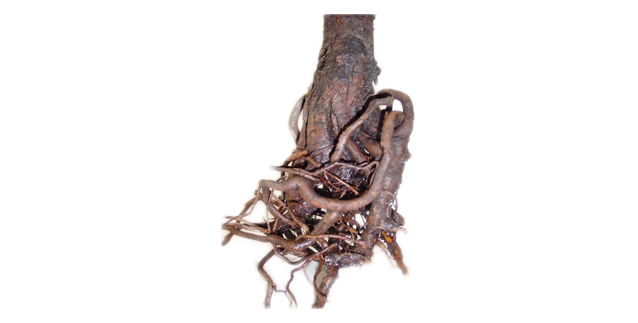
10 of 20 years later
When growing, roots squeeze , involving reduced exchanges between leaves and roots.
As a result, roots degenerate , leading to insufficient plant anchoring.
Wind is also a major hazard : in case of strong wing, trees can bend or fall over.
In case of dryness , water supply is poorer, trees become weak and are not so resistant to parasites.
Advantages of Anti Root Twisting WM Containers
Root knot disappears
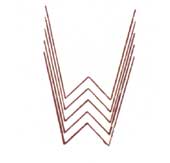
As it was proven by the researches made by the INRA ( French National Institute for Agronomic Research) at the National Centre for Forester Research in Nancy, acute angles deviate roots to the edges and prevent them from turning around.
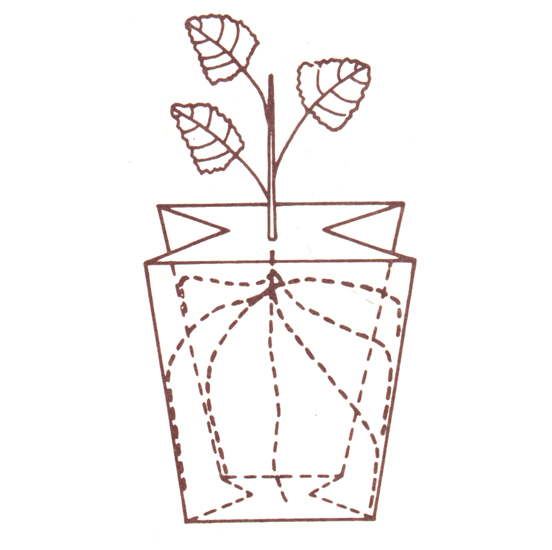
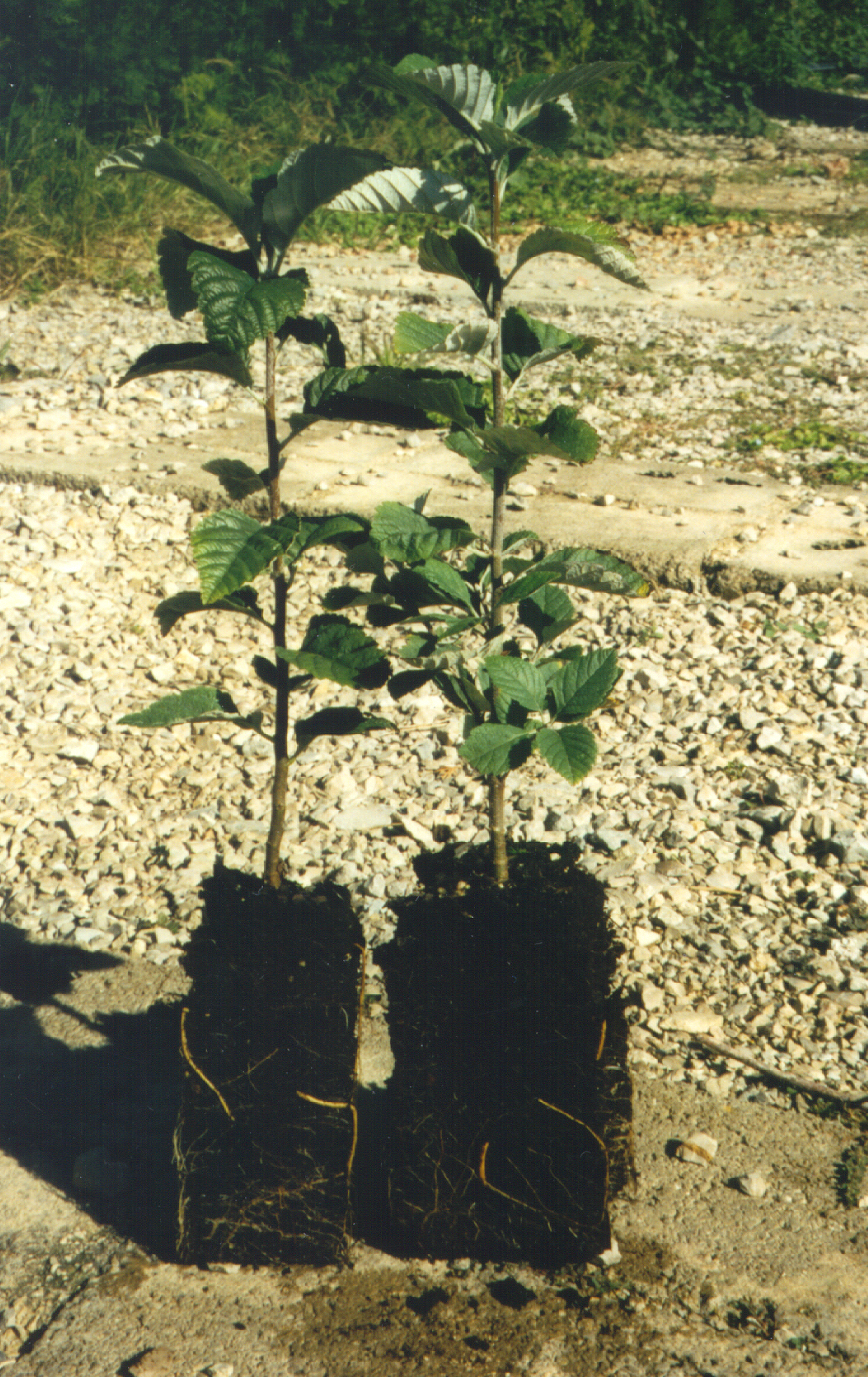
Rooting control :
The clod partitioning allows :
- When completely open, to spread the root system in stony or congested ground, ridges…
- When lightly open, to ensure better prospection in good earth and improve deep rooting in arid zones or contrasted climate as roots are directed downwards.
With WM container opening, it is possible :
- When planting or transplanting, to extract clods without damaging roots.
- If necessary, to transplant small plants without deforming roots.
- To individualize containers and remove empty ones (sowing failure) or class and sell plants by unit.
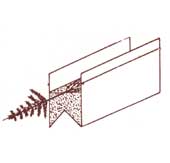
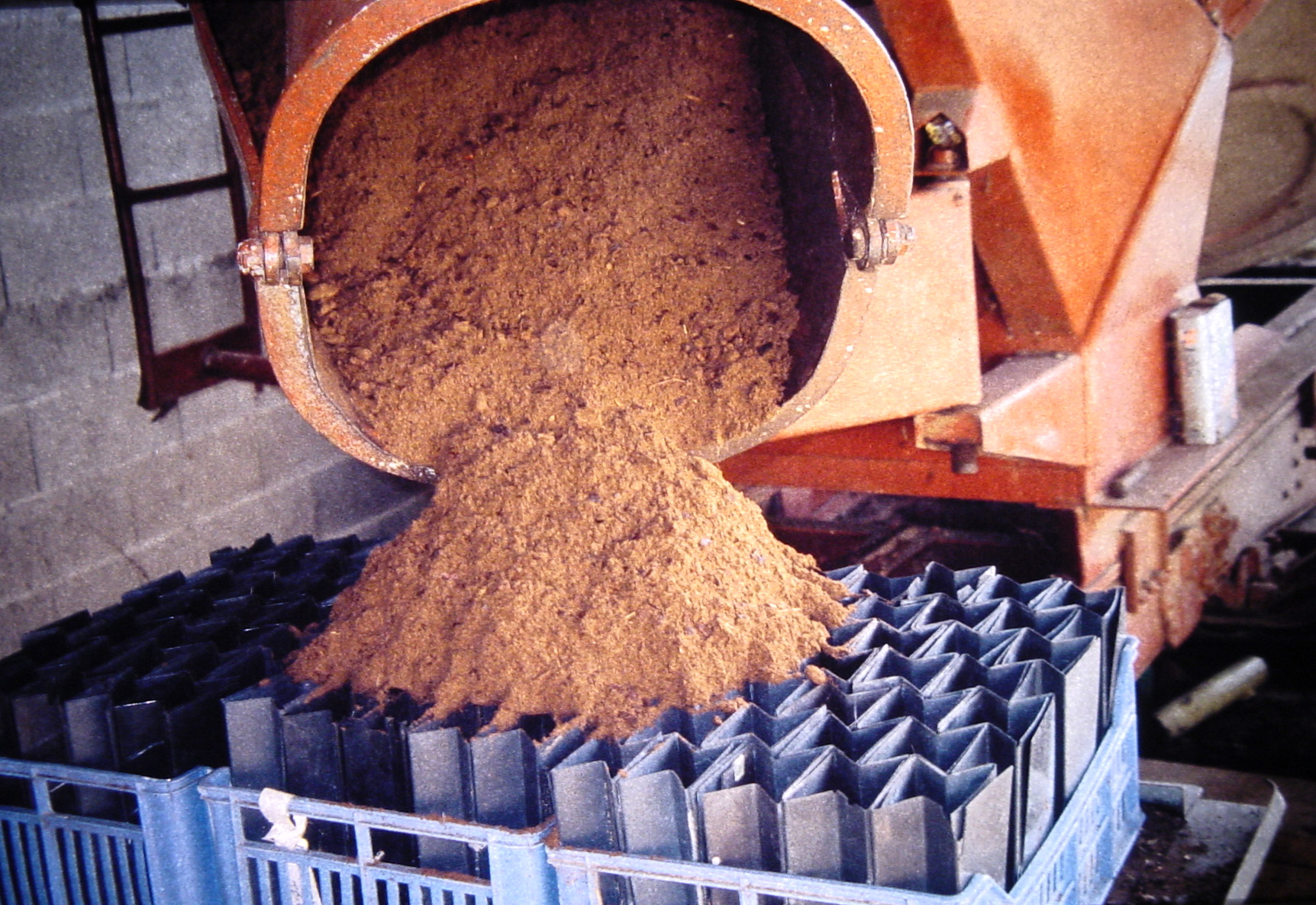
Handling & Transport
- Individual or collective filling, with or without machine.
- Transport in trays directly from breeding to planting place , or in bulk (easy to stack with no loss of volume)
WM container storage and reuse.
- stackable
- In plastic : reusable several times.
WM Containers Available sizes/volume
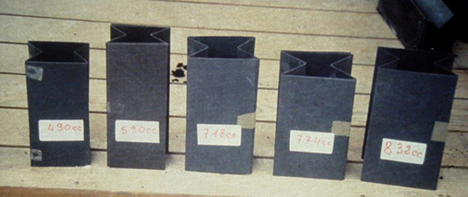
17cm x 8cm x 5cm
- Volume of 420 cm3 and a Thickness of 4/10 or 7/10
- Package of 1000 pcs / carton in 4/10 Or 500 pcs / carton in 7/10
20cm x 8cm 5cm
- Volume of 490 cm3
- Thickness of 7/10
- Package of 500 pcs / carton
20cm x 11cm x 7cm
- Volume of 1050 cm3
- Thickness of 7/10
- Package of 500 pcs / carton
27cm x 14cm x 11cm
- Volume of 2.7 L
- Thickness of 7/10
- Package of 125 par carton